When a Monument Talks: A Groundbreaking Digital Revival of Saint Neophytos From Digital Twin to Memory Twin in Cyprus

When a Monument Talks: A Groundbreaking Digital Revival of Saint NeophytosFrom Digital Twin to Memory Twin in Cyprus Press Office of the UNESCO Chair on Digital Cultural HeritageCyprus University of Technology, Limassol24th of March 2026 It is an official press release from the UNESCO Chair on Digital Cultural Heritage at the Cyprus University of Technology. Why it matters:It engages research, education, and the public, creating a new model for the future of cultural preservation. It is the first time in Europe that such a complete system has been demonstrated. It transforms cultural heritage from a static object into a “living” and interactive experience. The UNESCO Chair on Digital Cultural Heritage at the Digital Heritage Research Lab and its ResearchCenter Mnemosyne at the Cyprus University of Technology are proud to announce a major breakthrough from the EU Digital Europe project EUreka3D-XR. The 12th-century Enkleistra of Saint Neophytos together with Saint Neophytos the Recluse himself – is brought to life through high-quality 3D digitization, advanced Artificial Intelligence, and cutting-edge VR/XR technologies. For the first time in Europe, this pioneering work goes beyond the concept of a Digital Twin to introduce a “Memory Twin” – a transformative approach where cultural heritage is not only digitally replicated but enriched with knowledge, narratives, and lived experiences. In this context, the project marks a defining moment: when a monument truly “talks,” sharing its history, meaning, and cultural significance through advanced immersive technologies. This outstanding innovation was made possible through a collaboration between MIRALab in Geneva and the Digital Heritage Research Lab at the Cyprus University of Technology, both partners of the project.This milestone demonstration will be presented to the public on the 24th May 2026 at 10:00 am (after the liturgy), on site at the Enkleistra of the Monastery in Tala, Paphos. The event forms part of the Digital Heritage Summit 2026, taking place in Limassol, Cyprus, from 26–29 May 2026, under the auspices of the Cyprus Presidency of the Council of the European Union. EUreka3D-XR, funded by the Digital Europe Programme, builds upon the success of EUreka3D by developing innovative tools and scenarios for extended reality applications. The project transforms diverse cultural assets – 2D and 3D data, video, text, maps, and narratives – into immersive XR experiences, fostering new approaches to cultural heritage engagement across Europe. The Enkleistra of Saint Neophytos represents one of three flagship case studies, alongside the archaeological site of Bibracte in France and the Walls of Girona in Spain, whose results will also be presented during the Summit’s inaugural session. The Enkleistra of Saint Neophytos: A Monument of Global SignificanceThe Enkleistra of Saint Neophytos is an outstanding Byzantine monument, not only for Cyprus but forthe entire Orthodox world. Personally, selected and carved in 1156 by Saint Neophytos the Recluse, itserved as his hermitage, place of study, and spiritual retreat. He later founded a monastery around it, and upon his death, the site became his burial place—continuing to this day as a revered pilgrimage destination.Artistically, the monument is equally exceptional. Its iconographic program, conceived by the Saint himself, reflects influences from the highest artistic traditions of the Byzantine capital, rather than provincial styles – an extraordinary feature given its remote location. As such, the Enkleistra stands as a prime example of Comnenian art and a monument of world heritage importance. A First-of-its-Kind European AchievementIn collaboration with MIRALab (Geneva) and the EU Digital Library Europeana, the UNESCO Chair on Digital Cultural Heritage will present and demonstrate, for the first time in Europe, the results of a long-standing and pioneering partnership. This achievement marks the first fully integrated demonstration of the complete digital heritage pipeline – from the creation of certified high-quality 3D content to its enhancement through AI and its immersive presentation via XR technologies directly on site. Building on the EU Innovation Award, which the Digital Heritage Research Lab received during the Fair of European Innovators in Cultural Heritage in Brussels in 2018, the UNESCO Chair has now achieved a major milestone in the documentation of the past through the Memory Twin Methodology – set to be presented under the CY Presidency of the EU Council at the Monastery of Saint Neophytos on the 24th of May 2026. This breakthrough introduces a new paradigm -at the digital transitionduring the digital 21st century, where cultural heritage is no longer static or descriptive, but becomes a living, intelligent repository of memory, knowledge, and human experience for the benefit of future generations. Engaging Society through InnovationThe project is designed to foster broad public engagement, with particular emphasis on students at all levels, while also addressing the needs of academics, multidisciplinary professionals, policymakers, and cultural stakeholders. It actively supports education, research, science- and cultural diplomacy, demonstrating the transformative potential of digital technologies in the heritage sector. Setting a New BenchmarkBy bridging cultural heritage with advanced scientific and technological innovation, EUreka3D-XR establishes a new benchmark for the field – reshaping how history is preserved, experienced, and sharedwith future generations. The introduction of the #MemoryTwin concept represents a profound breakthrough for the e-Documentation of the Past in the digital 21st century, opening new pathways forhumanity to preserve not only the form but also the meaning, memory, and collective intelligence of cultural heritage in an increasingly digital world

In Search of Habitable Futures

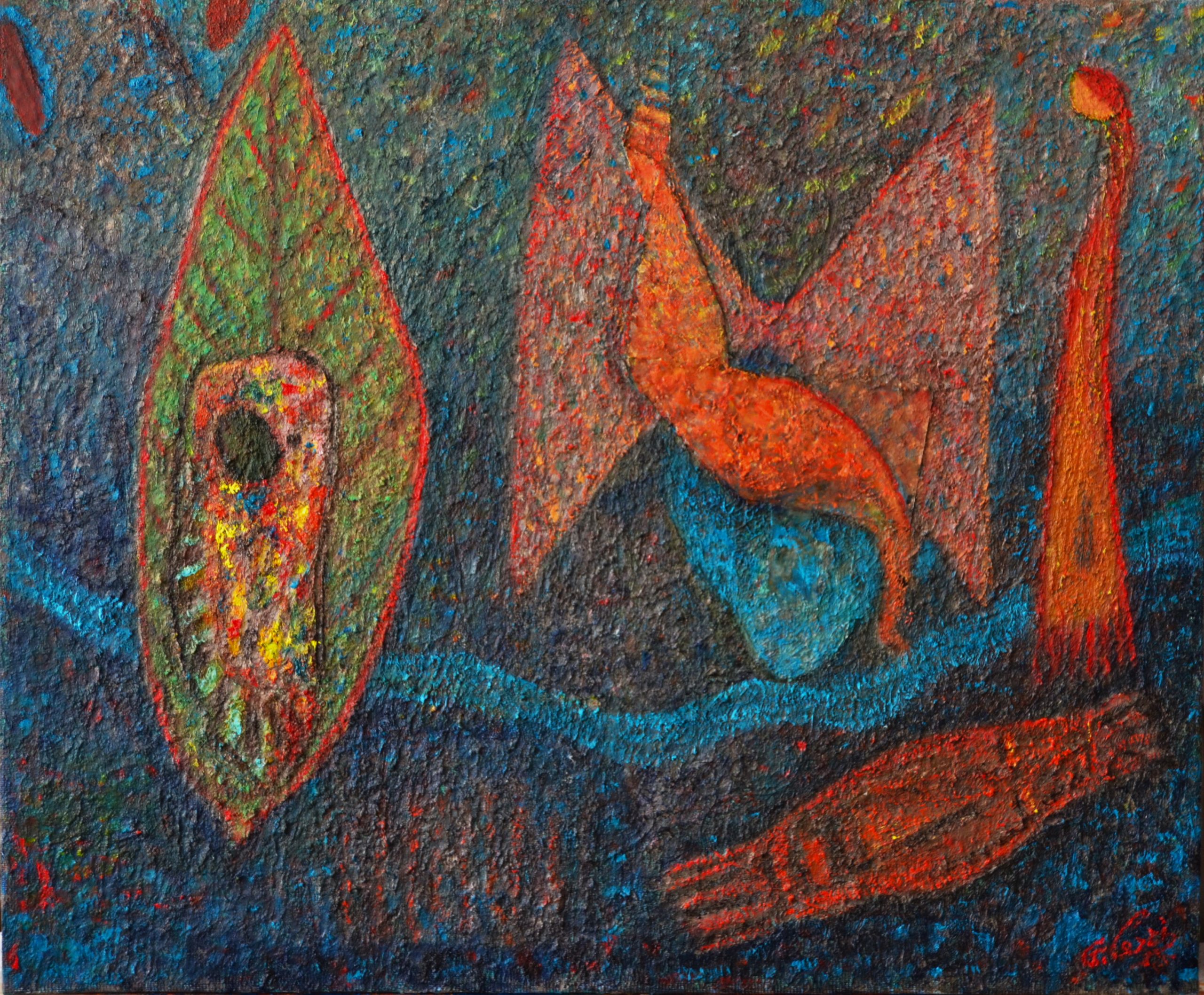
In Search of Habitable Futures Vernissage: 6 – 9 PM, April 30Schedule: April 30 – May 18, 2026Location: P.L. Deshpande Kala Academy, Mumbai, IndiaCurator: Susan Fraser-Hughes, Rajul Shah and Siddhant KhattriArtists: Frank Gude, Carol Hartman, Pete Malmberg, Colette Leinman, Arie Otten, Anna TajakHonorary Patronage: The Weiss Fundacja Muzeum Wojciecha Weissa, Zofia Weiss Gallery in PolandMedia Partner: ArtonWorld.comVisit: https://www.vedicaartgallery.com/all-events/in-search-of-habitable-futures Vedica Art Studios and Gallery is pleased to announce the exhibition In Search of Habitable Futures, curated by Susan Fraser-Hughes, Rajul Shah, and Siddhant Khattri. The show presents, under the honorary patronage of The Weiss Fundacja Muzeum Wojciecha Weissa, Zofia Weiss Gallery in Poland and art magazine partner Art on World in Italy, works by Frank Gude (Netherlands), Arie Otten (Netherlands), Carol Hartman (US), Pete Malmberg (US), Colette Leinman (French-Israeli Artist), and Anna Tajak (Poland). In Search of Habitable Futures investigates the enduring human pursuit of a place of dwelling that is materially sustaining, emotionally restorative, and ethically resonant, while questioning whether settlement or perpetual movement offers the most meaningful conditions for belonging. The conceptual framework of the exhibition draws deeply from the psychological and aesthetic concerns articulated within German Expressionism, particularly the work of Franz Marc and Ernst Ludwig Kirchner’s painting The Street, Dresden (1908), alongside the writings of the German art historian Wilhelm Worringer (Dissertation: Abstraktion und Einfühlung, 1908). Worringer’s reflections on the “immense spiritual dread of space” and the “inner unrest” provoked by the outside world offer a critical lens through which the exhibition examines the modern condition of displacement and anxiety in relation to both urban and natural environments. Kirchner’s tense urban scenes register a nervous confrontation with metropolitan chaos, a condition that echoes within the present ecological and social climate explored throughout this exhibition. Just as, according to Kirchner, the urban world appear chaotic to moderns, so, too, according to Hartman, the current climatic conditions, in her piece titled Disruption, 2024, evoke immense dreadof urban space fuelled by perverse consumption. Frank Gude’s works suggest a mode of empathic engagement with the natural world, reflecting Worringer’sformulation of Einfühlung—the projection of human feeling into the surrounding environment. Through abstract yet naturalistic imagery, Gude humanizes nature as a living presence capable of restoring a sense of harmony against the anxieties of modern life. In contrast, Arie Otten’s geometric abstractions embody Worringer’s second formulation: abstraction as a psychological withdrawal from the unsettling flux of phenomena. His series Imagination in Blue (2021) reveals the modern desire to arrest instability through formal order. Otten’s compositions deploy the symbolic polarity of colours—blue representing severity and spirituality, yellow signifying gentleness and sensuality—to articulate tensions between containment and release, masculine rigidity and feminine flow. The anxious ruptures within his compositions register the heightened nervous stimulation experienced by urban individuals seeking structure amidst overwhelming spatial and psychological stimuli.Pete Malmberg’s paintings extend Gude’s empathic vision into a vivid realism that celebrates the living rhythms of the natural world. Working from his environment in Iowa, Malmberg renders landscapes that pulse with organic vitality, acknowledging both the generative and chaotic dimensions of nature as a life-sustaining force. Anna Tajak, by contrast, constructs luminous, boundless landscapes that dissolve conventional distinctions between earth and sky. Through radiant fields of yellow, orange, and red, her works propose a synthesis between abstraction and realism reminiscent of Kandinsky’s assertion that abstraction and realism may ultimately converge. Meanwhile, Colette Leinman’s series Eye of the Cyclone introduces the volatile forces of nature as both threat and revelation. Her works examine migration and displacement while acknowledging the paradox articulated by art historian Charles Haxthausen: that modern beauty may emerge as a “terrible beauty” born from tension, upheaval, and transformation.Together, these practices reveal diverse artistic responses to the modern condition of inhabiting spaces marked by instability, choice, and existential uncertainty. In Search of Habitable Futures invites viewers to reflect upon the profound psychological conditions shaping contemporary habitation, including the “inner unrest” and “immense spiritual dread of space” described by Worringer in relation to modern experience. The exhibition considers whether the urban metropolis—with its rhythms of consumption, speed, and anonymity—cultivates a protective psychological detachment, echoing the “blasé attitude” described by sociological observers of modern cities, or whether a return to nature exposes humanity to an equally unsettling confrontation with chaos and unpredictability. By bringing together artistic practices that explore the tensions between belonging and displacement, knowledge and instinct, stability and flux, the exhibition encourages viewers to confront the paradoxical forms of alienation that shape contemporary life—prompting a deeper consideration of where and how one might truly dwell in the modern world.

The Phantom Sphinxes: How the “Dream Stele” Deceives 21st-Century Radars?

The Phantom Sphinxes: How the “Dream Stele” Deceives 21st-Century Radars? (A Semiotic and Epigraphic Reading of Ancient Egypt’s Greatest Theological Map) وهم التمثالين: كيف تخدع “لوحة الحلم” رادارات القرن الحادي والعشرين؟ (قراءة سيميوطيقية وإبيجرافية في أعظم خريطة لاهوتية في مصر القديمة By Independent Researcher: Mohamed Hasan (#SecretsEgyptology) | All Intellectual Property Rights Reserved © 2026 بقلم الباحث المستقل: محمد حسن (#SecretsEgyptology) | جميع حقوق الملكية الفكرية محفوظة للباحث © 2026 In our pages at ArtonWorld, where we have accustomed ourselves to interrogating the stone and reading beyond colors and lines, we find ourselves today facing a new debate triggered by excessive reliance on modern technology isolated from the spiritual and theological understanding of ancient art. في مساحتنا التي اعتدنا فيها على صفحات “آرت أون وورلد” أن نستنطق الحجر ونقرأ ما وراء الألوان والخطوط، نجد أنفسنا اليوم أمام جدل جديد يُثيره الاعتماد المفرط على التكنولوجيا الحديثة بمعزل عن الفهم الروحي واللاهوتي للفن القديم Recently, news surfaced of claims by a foreign research team suggesting the potential discovery of a “second Sphinx” structure buried under the Giza Plateau using modern radar readings and satellite imagery. Surprisingly, the historical and artistic pillar this team (and other previous materialist schools) relied on is the visual symmetry carved on the top of the “Dream Stele” of King Thutmose IV, which shows the King offering sacrifices to two back-to-back Sphinxes. مؤخراً، تصدرت الأخبار ادعاءات لفريق بحثي أجنبي، تشير إلى احتمال اكتشاف هيكل لـ “أبو هول ثانٍ” مدفون تحت هضبة الجيزة، وذلك باستخدام قراءات رادارية حديثة وصور الأقمار الصناعية. والمثير للدهشة، أن الركيزة التاريخية والفنية التي استند إليها هذا الفريق (وغيره من المدارس المادية السابقة) هي التناظر البصري المحفور على قمة “لوحة الحلم” للملك تحتمس الرابع، والتي تُظهر الملك يقدم القرابين لتمثالين متدابرين لأبي الهول But was the ancient Egyptian sculptor/priest drawing a “geographical map” of the Giza Plateau, or was he writing a “theological equation” for the cycle of existence? ولكن، هل كان النحات/الكاهن المصري القديم يرسم “خريطة جغرافية” لهضبة الجيزة، أم كان يكتب “معادلة لاهوتية” لدورة الوجود؟ As an independent Egyptology researcher, I assert that a literal photographic reading of Egyptian art is a form of “archaeological illiteracy.” A semiotic (symbolic) and epigraphic (textual) scrutiny of the lunette scene on the stele completely dismantles the myth of the two statues and reveals a highly sophisticated political and philosophical message. بصفتي باحثاً مستقلاً في علم المصريات وعاشقاً للديانة المصرية القديمة، أؤكد أن القراءة الفوتوغرافية الحرفية للفن المصري هي بمثابة “أُمية أثرية”. إن التدقيق السيميوطيقي (الرمزي) والإبيجرافي (النصي) لمشهد القوس العلوي (اللونيت) في اللوحة ينسف تماماً خرافة التمثالين، ويكشف لنا عن رسالة سياسية وفلسفية بالغة التعقيد The Code of Crowns: One King, Two Existential States شيفرة التيجان: ملك واحد، وحالتان وجوديتان If we look closely at the right section of the stele, we find the King wearing the “Blue Crown” (Khepresh), the crown of military authority and living sovereignty. The King stands here in the (World of the Living) to assert his earthly legitimacy. إذا دققنا النظر في الشطر الأيمن للوحة، نجد الملك يرتدي “التاج الأزرق” (خبرش)، وهو تاج السلطة العسكرية والسيادة الحية. الملك هنا يقف في (عالم الأحياء) ليؤكد شرعيته الأرضية In the left section, the King strips off his earthly crown to wear the “Nemes Headdress,” identical to the Sphinx’s own headgear. This match is not an artistic coincidence but a “theological identification”; the King is preparing here for resurrection and salvation in the (World of the Dead). أما في الشطر الأيسر، فيتجرد الملك من تاجه الأرضي ليرتدي “تاج النمس”، متطابقاً تماماً مع غطاء رأس أبو الهول. هذا التطابق ليس صدفة فنية، بل هو “تماهٍ لاهوتي”؛ فالملك يستعد هنا للبعث والنجاة في (عالم الأموات) The difference in crowns confirms that the stele does not display two different statues, but rather two different faces of a single divine entity (Hor-em-akhet / Aker – the Guardian of the Horizons). الاختلاف في التيجان يؤكد أن اللوحة لا تعرض تمثالين مختلفين، بل تعرض وجهين مختلفين لكيان إلهي واحد (حور إم آخت – آكر – حارس الأفقين) The Voice of Stone: The Dialogue of Gifts (The Decisive Epigraphic Evidence) نطق الحجر: حوار المنح والعطايا (الدليل الإبيجرافي الحاسم) The Egyptian priest left no room for absurd interpretation; he documented his art with definitive hieroglyphic texts representing a ritual dialogue between the King and the Deity—a dialogue that changes according to the King’s existential state: لم يترك الكاهن المصري مجالاً للتأويل العبثي، بل وثّق فنه بنصوص هيروغليفية قاطعة تمثل حواراً طقسياً بين الملك والإله، وهو حوار يتغير بتغير الحالة الوجودية للملك On the Right Side (World of the Living): The King stands in his military crown, offering rituals of (Incense and Water Libations) to stabilize the state. The decisive divine response comes in the parallel vertical inscription: “Words spoken (by me): I have given the strong arm (Khopesh – ḫpš) to the Lord of the Two Lands, Thutmose, the protector of appearances.” Here, the miraculous alignment is complete; the earthly King needs military support, so the Deity grants him the (Strong Arm) to rule the living and secure the empire’s borders. في الجانب الأيمن (عالم الأحياء): يقف الملك بتاجه العسكري مقدماً طقوس (البخور والإراقات المائية) لتثبيت أركان الدولة. فيأتيه الرد الإلهي الحاسم في النقش العمودي الموازي: «كلمات تُقال (بواسطتي): لقد أعطيتُ الساعد القوي (الخبش) لسيّد الأرضين، تحتمس، ظهير التجليات». هنا يكتمل التوافق الإعجازي؛ فالملك الأرضي يحتاج إلى الدعم العسكري، فيمنحه الإله (الساعد القوي) لحكم الأحياء وتأمين حدود الإمبراطورية On the Left Side (World of the Dead): The King stands in the funerary Nemes crown, offering magical water from a (Nemset Jar)—the exclusive tool for the “Opening of the Mouth” ritual that revives the mummy’s senses in the underworld. Since the King has left the world of the living, the divine response in the opposite inscription changes to suit the needs of the afterlife, granting him explicitly (Ankh and Was); meaning “Eternal Life” and “Spiritual Sovereignty” necessary for resurrection and immortality among the gods. في الجانب الأيسر (عالم الأموات): يقف الملك بتاج النمس الجنائزي، مقدماً الماء السحري من (إناء نمست)—وهو الأداة الحصرية لطقسة “فتح الفم” التي تُعيد إحياء حواس المومياء في العالم

Intervista a Lucia De Cicco, autrice del volume “Il sole a scacchi”

Un approfondimento diretto e senza filtri sul tema del sistema penitenziario contemporaneo.In questa intervista audio, l’autrice de Il sole a scacchi racconta la genesi del libro, le riflessioni che lo attraversano e le criticità di un sistema che spesso fatica a raggiungere il suo scopo principale: il reinserimento. A cura di Carmelita Brunetti, l’incontro diventa uno spazio di dialogo e ascolto, capace di restituire complessità, urgenze e prospettive su una questione quanto mai attuale. Clicca sull’immagine per ascoltare l’audio intervista.

Fluxus, immagini dagli anni Settanta

Fluxus, immagini dagli anni Settanta Le foto di Antonio D’Agostino esposte a Rimini documentano la presenza alla Fiera di Basilea del 1974 degli artisti del movimento d’avanguardia Clicca sull’immagine in basso per vedere il video e leggere l’articolo a cura di RAI Tgr Emilia Romagna

Il Vaticano annuncia il programma ufficiale per la visita del Papa LEONE XIV a Monaco: un breve viaggio dai profondi messaggi spirituali e diplomatici

Il Vaticano annuncia il programma ufficiale per la visita del Papa LEONE XIV a Monaco: un breve viaggio dai profondi messaggi spirituali e diplomatici HOSNEY ABDELATY- (ArtonWorld) La Sala Stampa della Santa Sede ha annunciato questa mattina il programma ufficiale per la visita di Papa Leone XIV nel Principato di Monaco, prevista per sabato 28 marzo. La visita, della durata di circa nove ore, ha implicazioni che vanno ben oltre il suo breve lasso di tempo. Questa visita segna il primo viaggio europeo del Papa e il suo primo viaggio internazionale nella prima metà del 2026, aprendo la strada alle successive visite in Africa ad aprile e in Spagna a giugno. Il programma prevede quattro tappe principali. Il Papa inizierà con un incontro ufficiale con il Principe Alberto II, seguito da incontri con membri della comunità cattolica, giovani e candidati al battesimo. La visita si concluderà con la celebrazione di una solenne Messa allo Stade Louis II. Il motto della visita, ispirato al Vangelo di Giovanni, recita: «Io sono la via, la verità e la vita» (14,6), un riferimento teologico che sottolinea il ruolo del Papa come testimone di Cristo e divulgatore dei suoi insegnamenti in un mondo contemporaneo che si trova ad affrontare sfide sempre maggiori. Il Papa arriverà a Monaco in elicottero, un evento storico che lo renderà il primo pontefice a visitare questa città-stato, la cui costituzione sancisce il cattolicesimo come religione ufficiale, e dove l’interazione tra le istituzioni civili e la Chiesa riveste particolare importanza nella sfera pubblica. Questa visita risponde ai ripetuti inviti delle autorità del Principato e rappresenta un’opportunità per riaffermare i forti legami storici tra la famiglia Grimaldi e la Santa Sede. In questo contesto, l’Arcivescovo Dominique Marie David ha indicato che la visita rafforzerà l’impegno condiviso su temi chiave, tra cui la salvaguardia della dignità della vita umana «dall’inizio alla fine», la tutela dell’ambiente nel concetto di «casa comune» e la promozione dei valori umani legati allo sport. Da parte loro, il Principe Alberto II e la Principessa Charlene hanno descritto la visita come un’estensione delle consolidate relazioni diplomatiche, fondate sulla fiducia reciproca, tra Monaco e la Santa Sede, sottolineando il suo duplice carattere, istituzionale e pastorale, e la sua natura di “forte segno di speranza” in un momento in cui cresce la necessità di dialogo, pace e responsabilità condivisa.

IL PRESIDENTE DELLA REPUBBLICA ITALIANA, SERGIO MATTARELLA: “L’Europa sappia dire di no a un ordine internazionale fondato sul conflitto”

IL PRESIDENTE DELLA REPUBBLICA ITALIANA, SERGIO MATTARELLA: “L’Europa sappia dire di no a un ordine internazionale fondato sul conflitto” HOSNEY ABDELATY (ARTonWORLD.com ) Salamanca, 19 marzo 2026 – In un passaggio denso di significato politico e morale, il Presidente della Repubblica Italiana Sergio Mattarella ha lanciato da Salamanca un monito netto all’Europa e alla comunità internazionale: respingere con decisione l’idea di un nuovo ordine globale fondato sulla competizione e sul conflitto, riaffermando invece i principi del multilateralismo e della cooperazione. L’occasione è stata il conferimento della Laurea Honoris Causa presso l’Università di Salamanca, uno dei più antichi e prestigiosi atenei europei, dove il Capo dello Stato ha pronunciato un discorso che si inserisce nel solco della tradizione europeista italiana, ma che al tempo stesso appare come una risposta diretta alle tensioni geopolitiche degli ultimi anni. “Cosa può fare l’Europa a fronte della recessione del modello cooperativo multilaterale nella gestione dei rapporti tra gli Stati?”, ha domandato Mattarella, ponendo al centro del suo intervento una riflessione sulla trasformazione degli equilibri internazionali. Il rischio, ha sottolineato, è quello di accettare passivamente il passaggio a una visione “contrattualistica”, in cui prevalgono logiche di potenza, interessi immediati e competizione permanente. Una prospettiva che il Presidente invita a respingere con fermezza: “Tocca all’Europa saper dire di no”. Un “no” che non è chiusura o isolamento, ma scelta consapevole di campo a favore della stabilità, del diritto internazionale e della tutela delle popolazioni civili. Nel suo intervento, Mattarella ha richiamato le crisi in corso, a partire dagli sviluppi seguiti all’attacco terroristico del 7 ottobre 2023, che ha innescato una spirale di tensioni estese ben oltre i confini originari del conflitto. Oggi, ha osservato, l’intera regione mediorientale e del Golfo è attraversata da un “arco di crisi” che coinvolge diversi attori statali e non statali, senza che si intraveda una soluzione nel breve periodo. Uno scenario che, ha avvertito, comporta “gravissime conseguenze sulle popolazioni”, ribadendo così la centralità della dimensione umanitaria nella lettura delle crisi globali. Il messaggio del Capo dello Stato si colloca in un momento di crescente incertezza internazionale, segnato dall’indebolimento delle istituzioni multilaterali e dalla moltiplicazione dei fronti di conflitto. In questo contesto, l’Europa viene chiamata a svolgere un ruolo attivo e responsabile, non limitandosi a reagire agli eventi ma contribuendo a orientarne gli sviluppi. L’appello di Mattarella è dunque anche un invito alla coerenza: l’Unione Europea, nata come progetto di pace, non può rinunciare alla propria identità né adattarsi a un sistema internazionale dominato dalla forza e dalla contrapposizione. Da Salamanca emerge così una visione chiara: di fronte alla crisi del multilateralismo, l’Europa non deve arretrare, ma rilanciare. Non accettare la logica del conflitto come inevitabile, bensì opporsi ad essa con gli strumenti della diplomazia, della cooperazione e del diritto. Un richiamo che suona tanto più urgente quanto più il quadro globale appare frammentato e instabile. E che riafferma, ancora una volta, il ruolo della Presidenza della Repubblica italiana come voce autorevole nel dibattito internazionale sui valori fondanti della convivenza tra gli Stati.

The Impossible Body: Forensic Physics vs. Divine Text

The Impossible Body: Forensic Physics vs. Divine Text By Researcher: Mohamed Hasan | © All Intellectual Property Rights Reserved – #SecretsEgyptology الجسد المستحيل: الفيزياء الجنائية في مواجهة النص الإلهي بقلم الباحث: محمد حسن | © جميع حقوق الملكية الفكرية محفوظة – #SecretsEgyptology For centuries, the world has been captivated by a traditional question: Who was the Pharaoh of the Exodus? However, from the perspective of forensic investigation and Egyptology, there is a much more complex material mystery that transcends the question of “identity” to reach the enigma of the “physical body” itself. We are not merely looking at a historical event; we are examining a hydrodynamic catastrophe that challenges everything we know about the laws of nature. لقرون طويلة، انشغل العالم بسؤال تقليدي: من هو فرعون الخروج؟ لكن من منظور التحقيق الجنائي وعلم الآثار، هناك لغز مادي أكثر تعقيداً يتجاوز سؤال “الهوية” ليصل إلى لغز “البدن” نفسه. إننا لسنا أمام مجرد حدث تاريخي، بل أمام كارثة هيدروديناميكية تتحدى كل ما نعرفه عن قوانين الطبيعة. The Hydrodynamic Catastrophe (The Colossal Wave) الكارثة الهيدروديناميكية (الطود العظيم) When we analyze the moment the parted Red Sea collapsed, we are talking about millions of tons of suspended water suddenly crashing down. Physically, this collapse generates terrifying levels of hydrostatic pressure and kinetic energy. The scene was not a standard drowning incident; it acted as a colossal hydraulic grinder. عندما نحلل لحظة انهيار المياه في ممر البحر، نحن نتحدث عن ملايين الأطنان من المياه المعلقة التي انهارت فجأة. فيزيائياً، هذا الانهيار يولد مستويات مرعبة من الضغط الهيدروستاتيكي والطاقة الحركية. مسرح الحدث هنا لم يكن مجرد حادثة غرق عادية، بل كان بمثابة مطحنة هيدروليكية عملاقة. The Physics of Annihilation (Mechanical Crushing) فيزياء الفناء (السحق الميكانيكى) According to the laws of biomechanics and fluid dynamics, the human skeleton has absolute limits for pressure tolerance. The impact force generated by a wall of water of this magnitude and weight is enough to cause immediate and total “mechanical crushing” to any human body. The pressure would pulverize the ribcage in fractions of a second, shatter the skull, and tear apart soft tissues. Scientifically, this body should have been obliterated into unrecognizable fragments, buried forever in the sea depths under the effects of rapid marine decay. وفقاً لقوانين الميكانيكا الحيوية وديناميكا الموائع، فإن الهيكل العظمي البشري له حدود مطلقة لتحمل الضغط. قوة الارتطام الناتجة عن جدار مائي بهذا الحجم والوزن كفيلة بإحداث “سحق ميكانيكي” فوري وشامل لأي جسد بشري. الضغط سيسحق القفص الصدري في أجزاء من الثانية، ويهشم الجمجمة، ويمزق الأنسجة الرخوة. علمياً، كان يجب أن يتحول هذا الجسد إلى أشلاء لا يمكن التعرف عليها، لتُدفن للأبد في أعماق البحر تحت تأثير تيارات التحلل البحري السريع. The Physical Anomaly (Suspending the Laws of Nature) الشذوذ الفيزيائي (تعطيل قوانين الطبيعة) Here emerges the forensic miracle. How did this specific body survive the mechanical crushing to float intact and be preserved as material evidence? The survival of this physical frame (the body) amidst such a physical catastrophe means only one thing in the language of science: the laws of nature were exceptionally and momentarily “suspended.” The hydraulic pressure was halted, and fluid dynamics were overridden exclusively for this body, perfectly matching the profound precision of the Holy Quran (Surah Yunus, Verse 92): “So today We will save you in your body that you may be to those who succeed you a sign.” هنا تبرز المعجزة الجنائية. كيف نجا هذا البدن تحديداً من السحق الميكانيكى ليطفو سليماً ويُحفظ كدليل مادي؟ إن بقاء هذا الهيكل المادي (البدن) متماسكاً وسط هذه الكارثة الفيزيائية يعني أمراً واحداً في لغة العلم: لقد تم “تعطيل” قوانين الطبيعة بشكل استثنائي ولحظي. لقد توقف الضغط الهيدروليكي، وعُطلت ديناميكا الموائع حصرياً لهذا الجسد، في دقة تتطابق تماماً مع النص القرآني الكريم (سورة يونس، آية 92): (فَالْيَوْمَ نُنَجِّيكَ بِبَدَنِكَ لِتَكُونَ لِمَنْ خَلْفَكَ آيَةً). The Enduring Physical Evidence الدليل المادي الخالد The surviving mummy of the Pharaoh is not a natural coincidence or a mere archaeological artifact. It is an “Impossible Body.” It stands as a physical anomaly where the laws of nature surrendered to a precise Divine decree, leaving a timeless forensic signature for modern science to ponder. إن المومياء الناجية لفرعون ليست مجرد صدفة طبيعية أو قطعة أثرية تُعرض في المتاحف. إنها “الجسد المستحيل”؛ شذوذ فيزيائي صارخ يقف كشاهد إثبات مادي على أن قوانين الطبيعة استسلمت لقرار إلهي دقيق، لتترك لنا بصمة جنائية خالدة يقف أمامها العلم الحديث متأملاً.

Being a green country? It’s possible.Let’s see how.

Essere un Paese Green? È possibileVediamo come By Carmela Brunetti l’Italia come può diventare energeticamente autonoma puntando sulla sostenibilità L’Italia possiede tutte le condizioni per trasformarsi in un Paese energeticamente autonomo: un clima favorevole, territori diversificati, una grande capacità tecnologica e una cultura che da sempre valorizza l’ingegno e il rispetto per l’ambiente. La vera sfida oggi è integrare queste risorse in una strategia nazionale che punti con decisione sulle energie rinnovabili e sull’economia circolare. Il potenziale del solare: un tesoro ancora inespressoCon oltre 2.000 ore di sole all’anno in molte regioni, l’Italia è uno dei Paesi europei più adatti alla produzione di energia solare.Investire in pannelli fotovoltaici significa: Il fotovoltaico non è solo una tecnologia: è una scelta strategica che può rendere l’Italia un modello europeo di autonomia energetica. L’energia eolica nelle aree più ventilateLe coste italiane, le isole e alcune zone montane offrono condizioni ideali per l’energia eolica. Le pale eoliche moderne sono più silenziose, più efficienti e meno impattanti sul paesaggio rispetto al passato.Sfruttare queste aree significa: L’eolico, integrato con il solare, permette di creare un sistema energetico continuo e affidabile. La spazzatura come risorsa: l’economia circolare che trasformaOgni anno l’Italia produce milioni di tonnellate di rifiuti che potrebbero diventare energia o nuove materie prime.Attraverso tecnologie di riciclo avanzate e impianti di recupero energetico, i rifiuti possono essere trasformati in: Questo approccio riduce l’impatto ambientale, abbassa i costi di smaltimento e crea un ciclo virtuoso in cui nulla viene sprecato. Un’Italia più forte, più pulita, più indipendentePuntare su solare, eolico ed economia circolare non è solo una scelta ecologica: è una strategia di libertà.Significa: L’Italia ha tutto ciò che serve per diventare un faro europeo della sostenibilità. Serve visione, coraggio e la volontà di investire in un modello energetico che rispetti il pianeta e valorizzi le nostre risorse naturali. Being a green country? It’s possible.Let’s see how. By Carmela Brunetti How Italy can become energy independent by focusing on sustainability Italy has all the conditions needed to transform itself into an energy-independent country: a favorable climate, diverse landscapes, strong technological capabilities, and a culture that has always valued ingenuity and respect for the environment. The real challenge today is to integrate these resources into a national strategy that decisively focuses on renewable energy and the circular economy. The potential of solar energy: a still underused treasure With more than 2,000 hours of sunshine per year in many regions, Italy is one of the European countries best suited for solar energy production. Investing in photovoltaic panels means: Photovoltaic power is not just a technology: it is a strategic choice that could make Italy a European model of energy independence. Wind energy in the windiest areas Italy’s coastlines, islands, and some mountainous areas offer ideal conditions for wind energy. Modern wind turbines are quieter, more efficient, and less visually intrusive than in the past. Taking advantage of these areas means: Wind power, integrated with solar energy, makes it possible to create a continuous and reliable energy system. Waste as a resource: the circular economy that transforms Every year Italy produces millions of tons of waste that could become energy or new raw materials. Through advanced recycling technologies and energy-recovery plants, waste can be transformed into: This approach reduces environmental impact, lowers disposal costs, and creates a virtuous cycle in which nothing is wasted. A stronger, cleaner, more independent Italy Focusing on solar energy, wind power, and the circular economy is not just an ecological choice—it is a strategy for freedom. It means: Italy has everything it needs to become a European beacon of sustainability. What is required is vision, courage, and the willingness to invest in an energy model that respects the planet while enhancing our natural resources.

Per festeggiare la giornata della Festa delle Donne, Artonworld ricorda il lavoro di dieci artiste contemporanee che si apprezzano per le loro creazioni tra ricerca e innovazione

Per festeggiare la giornata della Festa delle Donne, Artonworld ricorda il lavoro di dieci artiste contemporanee che si apprezzano per le loro creazioni tra ricerca e innovazione A cura del Direttore Responsabile, storica e critica d’arte Carmela Brunetti Nel panorama dell’arte contemporanea la presenza delle donne artiste si distingue sempre più per la capacità di attraversare linguaggi differenti, dalla performance alla pittura, dall’arte concettuale alle tecnologie digitali. Accanto alle grandi maestre della scena internazionale, nuove protagoniste stanno sviluppando ricerche originali che contribuiscono ad ampliare il dibattito estetico del nostro tempo. Tra le figure più influenti emerge Marina Abramović, nata a Belgrado in Serbia nel 1946, che a partire dagli anni Settanta si è imposta come una delle protagoniste della performance art internazionale. Le sue azioni radicali, basate sulla resistenza fisica e sul rapporto diretto con il pubblico, hanno ridefinito il ruolo del corpo nell’arte contemporanea. Marina Abramovic in un ritratto di Antonio D’Agostino, 1974 Un’altra figura fondamentale è l’artista americana Jenny Holzer, nata nel 1950 in Ohio, che si è fatta conoscere negli anni Ottanta con i suoi celebri Truisms, frasi brevi e provocatorie proiettate su schermi elettronici e installazioni luminose nello spazio pubblico. Nel campo della pittura contemporanea si distingue Julie Mehretu, nata nel 1970 ad Addis Abeba in Etiopia e cresciuta negli Stati Uniti, apprezzata dalla fine degli anni Novanta per le sue grandi tele astratte che combinano segni, architetture e cartografie urbane. Una delle voci più autorevoli della riflessione artistica sui media digitali è Hito Steyerl, nata a Monaco di Baviera in Germania nel 1966, che a partire dagli anni Duemila si è affermata come artista e teorica delle immagini nell’era della comunicazione globale. Accanto a queste maestre della scena internazionale troviamo artiste impegnate in ricerche personali e innovative. La performer italiana Mona Lisa Tina, nata nel 1977 e residente a Bologna, è apprezzata per le sue performance che esplorano il rapporto tra corpo, spazio e partecipazione del pubblico, sviluppando un linguaggio artistico centrato sulla dimensione relazionale dell’azione performativa. Mona Lisa Tina, Non ti scordar di me, 2024, dialogo performativo con Carla Iacono per Il giardino di Yoshimasa, Casa del Sole, Ceranesi (GE). Ph Gianluigi Boleto L’artista e accademica Tiziana Contino, italiana, si è fatta conoscere negli ultimi anni per una ricerca che unisce pittura e performance, sviluppando un linguaggio espressivo in cui gesto, colore e presenza scenica dialogano tra loro. Nel lavoro dell’artista italiana Rita Vitali Rosati emerge una ricerca concettuale che intreccia parola e immagine nello studio della fotografia tradizionale, sviluppando una ricerca che fa riflettere sul significato della comunicazione visiva. Rita Vitali Rosati, da La passiflora non è una passeggiata en plein air La pittrice e accademica Carla Crosio, è attiva da diversi decenni sulla scena artistica italiana, è apprezzata per una grande attività di installazioni artistiche commoventi e intriganti caratterizzate da grande intensità psicologica e forza materica. Carla Crosio, installazione, Santa Maria Assunta, Pincipato di Lucedio, foto di Donatello Lorenzo Un percorso che unisce arte e riflessione filosofica è quello di Assunta Verrone, artista opera in Germania ma espone anche in altre nazioni, la sua ricerca si sviluppa negli ultimi anni attraverso opere che indagano il rapporto tra identità, simbolo e pensiero. Assunta Verrone, Angelo alle porte dell’Europa Silvia Nencioni artista che attraverso il suo tratto pittorico leggero crea opere intriganti e sognanti; le sue pitture analizzano il pensiero introspettivo e profondamente umanistico. Silvia Nencioni, La mia strada, olio su cartoncino, 54×40 cm Queste dieci artiste testimoniano la vitalità della creatività femminile contemporanea, capace di attraversare linguaggi diversi e di offrire nuove prospettive di ricerca nel panorama artistico internazionale. To celebrate International Women’s Day, Artonworld highlights the work of ten contemporary women artists whose creations stand out for their research and innovation. In the contemporary art landscape, the presence of women artists is increasingly distinguished by their ability to move across different artistic languages, from performance to painting, from conceptual art to digital technologies. Alongside the great masters of the international scene, new protagonists are developing original research that contributes to expanding the aesthetic debate of our time. Among the most influential figures is Marina Abramović, born in Belgrade, Serbia, in 1946, who since the 1970s has established herself as one of the leading figures of international performance art. Her radical actions, based on physical endurance and direct interaction with the audience, have redefined the role of the body in contemporary art. Another fundamental figure is the American artist Jenny Holzer, born in Ohio in 1950, who gained international recognition in the 1980s with her famous Truisms, short and provocative statements projected onto electronic screens and luminous installations in public space. In the field of contemporary painting, Julie Mehretu, born in 1970 in Addis Ababa, Ethiopia, and raised in the United States, has been widely appreciated since the late 1990s for her large abstract canvases that combine signs, architectural structures, and urban cartographies. One of the most authoritative voices reflecting on digital media is Hito Steyerl, born in Munich, Germany, in 1966, who since the early 2000s has emerged as both an artist and a theorist of images in the age of global communication. Alongside these masters of the international scene, we find artists engaged in innovative and highly personal research. The Italian performer Mona Lisa Tina, born in 1977 and based in Bologna, is appreciated for her performances that explore the relationship between body, space, and audience participation, developing an artistic language centered on the relational dimension of performative action. The Italian artist and academic Tiziana Contino has gained recognition in recent years for a research practice that merges painting and performance, creating an expressive language in which gesture, color, and stage presence interact with one another. In the work of Italian artist Rita Vitali Rosati, a conceptual research emerges that intertwines word and image through the study of traditional photography, developing reflections on the meaning of visual communication. Painter and academic Carla Crosio has been active on the Italian art scene for several decades and is appreciated for her numerous

Torna su